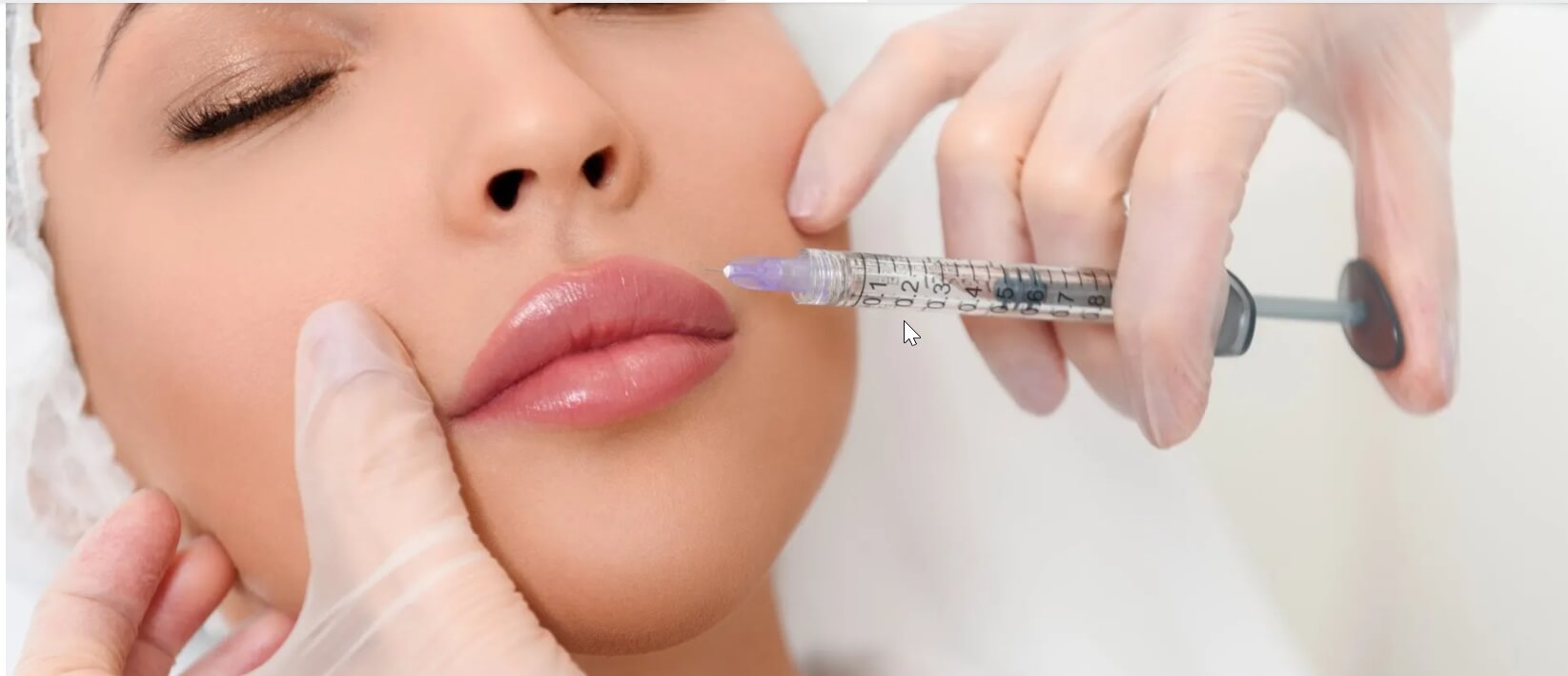
The time has come to continue the topic of hyaluronic fillers. In PART 2 of this topic, we will talk about some of the injection techniques, side effects, and patient expectations.
Needle or cannula?
This is a very interesting dilemma for most practitioners - when to choose to use a needle and when to use a cannula to perform an injection manipulation. In most cases, the answer is - according to the individual preference of the specialist. Both types of injection techniques have their advantages and disadvantages.
What are the benefits of using a needle?
One of the main benefits of using a needle is the control over the syringe. Because of its size and elasticity, a quality syringe and needle allow the injector to be very precise in their work and easily feel the level at which they are administering the product. Also the amount of product used can be significantly reduced by this technique.
What are the negatives of this technique?
One of the most common negatives is tissue trauma. Due to the fact that the needle has a sharp tip the chance of hematoma formation and edema increase. Because of this, the new and good quality needles are very thin and relatively atraumatic.
What are the benefits of using a cannula?
One of the main benefits comes from the fact that the tip of the cannula is blunt. Hence trauma to the tissues and the chance of haematoma formation is lower. Due to this fact, some colleagues treat delicate areas such as the nose and tear duct with exactly this technique.
What are the negatives of the cannulation technique?
On the one hand, the greater length of the cannula, usually 5 or 7 cm, does not allow full control and, in some cases, reporting of the depth of product injection.
What are the most common "side effects" of hyaluronic fillers?
The most common side effects of filler placement are relatively harmless. These are most commonly haematomas, redness and swelling of the treatment area. They pass relatively quickly even without therapeutic measures. Rarer events are pain, tension, itching. Fortunately, some of the rarest side effects of hyaluronic fillers placement are nodules, migration, infection, vascular occlusion, vascular compression, necrosis, blindness, stroke, and others.
How can such adverse effects be prevented?
First of all, the patient should confide in a certified specialist. Only an experienced injector is so familiar with the anatomy and the product being used as to minimize the risk of side effects. Second, but no less important, is the quality and quantity of products used. In our practice, only licensed products (FDA-approved) should be used.
Patient expectations!
This is a very important aspect of our practice. I always conduct a consultation with my patients before performing an injection manipulation. With a thorough examination, an experienced specialist can almost always assess whether or not the patient has realistic expectations about the effect of the procedure. As we know these are non-surgical interventions. Hence the fact that the effect cannot be compared to that of surgical ones. The very commonly used term "facelift" with fillers is in most cases exaggerated and can lead to patient dissatisfaction. Hence, we specialists should share with our patients in detail the actual expected result and how it can be achieved with minimal risk of negative reactions. Also, the quote "Rome was not built in a day" applies fully here. By this we mean that augmentation with hyaluronic fillers is not a sprint, but a marathon. The more gradually and regularly over time a facial area is treated, the more natural the result and the lower the chance of side reactions.
What are the contraindications to undergoing such a procedure?
We will list the most important of them: - Pregnancy -Breastfeeding - Cancer - Autoimmune diseases - Skin infections - Haemophilia - Tendency to form keloids - Presence of permanent fillers in the treated areas (silicone) - Allergy to the product - Recent laser or chemical peel treatment
We use information collected through cookies and similar technologies to improve your experience on our site, analyse how you use it and for marketing purposes.
We and our partners use information collected through cookies and similar technologies to improve your experience on our site, analyse how you use it and for marketing purposes. Because we respect your right to privacy, you can choose not to allow some types of cookies. However, blocking some types of cookies may impact your experience of the site and the services we are able to offer. In some cases, data obtained from cookies is shared with third parties for analytics or marketing reasons. You can exercise your right to opt-out of that sharing at any time by disabling cookies.
These cookies and scripts are necessary for the website to function and cannot be switched off. They are usually only set in response to actions made by you which amount to a request for services, suchas setting your privacy preferences, logging in or filling in forms. You can set your browser to block oralert you about these cookies, but some parts of the site will not then work. These cookies do not store any personally identifiable information.
Analytics
These cookies and scripts allow us to count visits and traffic sources, so we can measure and improve the performance of our site. They help us know which pages are the most and least popular and see how visitors move around the site. All information these cookies collect is aggregated and therefore anonymous. If you do not allow these cookies and scripts, we will not know when you have visited our site.
Marketing
These cookies and scripts may be set through our site by our advertising partners. They may be used by those companies to build a profile of your interests and show you relevant adverts on other sites. They do not store directly personal information, but are based on uniquely identifying your browser and internet device. If you do not allow these cookies and scripts, you will experience less targeted advertising.